Supply Line Break Water Removal in North Greenbush, NY: The Hidden Dangers
Did you know that a single supply line break can cause up to $10,000 in water damage within just 24 hours? It’s a staggering statistic that highlights the importance of prompt action when dealing with this type of emergency. In North Greenbush, NY, our team has seen firsthand the devastating effects of delayed response times. Don’t wait until it’s too late. Act fast to reduce damage and prevent costly repairs. Our experts are here to help.
With over 165 five-star reviews, homeowners in the area trust our team to handle their Supply Line Break Water Removal needs. We understand the stress and uncertainty that comes with this type of emergency, and we’re committed to providing a seamless experience from start to finish. Our technicians are IICRC-certified and dedicated to restoring your property to its original condition. We’ll work closely with your insurance company to ensure a smooth claims process. And with our satisfaction guarantee, you can trust that you’re in good hands.
- We’ll arrive within 60 minutes to assess and contain the damage, preventing further water flow and reducing the risk of mold growth.
- Our technicians will use state-of-the-art equipment to extract water and dry your property, ensuring a safe and healthy environment for you and your family.
- We’ll work closely with your insurance company to document the damage and help with a seamless claims process.
How Supply Line Break Water Removal Actually Works
When a supply line breaks, it’s essential to act quickly to prevent further damage. Our team follows a proven process to ensure a successful restoration. We’ll start by assessing the damage and identifying the source of the leak. Next, we’ll contain the water flow and extract as much water as possible using our advanced equipment. Finally, we’ll dry and dehumidify your property to prevent mold growth and ensure a safe environment.
Step 1: Assessment and Containment
Our technicians will arrive within 60 minutes to assess the damage and identify the source of the leak. We’ll contain the water flow using specialized equipment to prevent further damage. We’ll work efficiently to reduce downtime and disruption to your daily life.
Step 2: Water Extraction
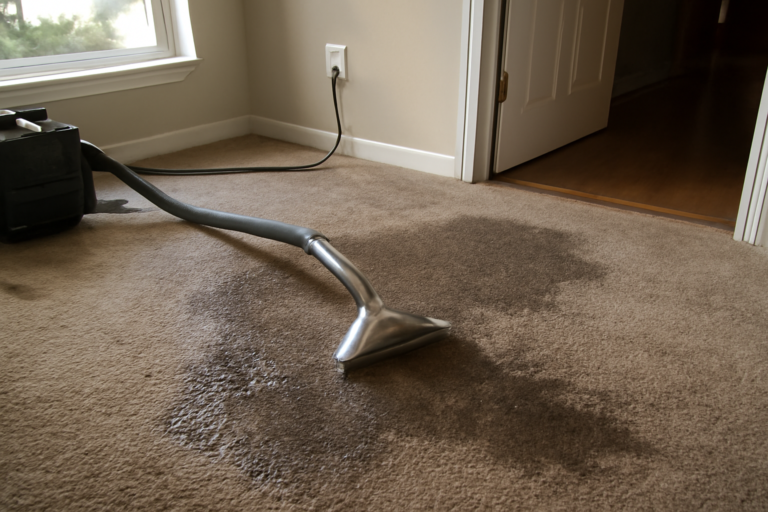
Using our advanced equipment, we’ll extract as much water as possible from your property. This includes removing standing water, extracting water from carpets and upholstery, and drying out walls and ceilings. We’ll work tirelessly to ensure a thorough and complete extraction process.
Step 3: Drying and Dehumidification
Once the water has been extracted, we’ll use specialized equipment to dry and dehumidify your property. This includes using industrial-grade fans and dehumidifiers to remove excess moisture and prevent mold growth. We’ll work to ensure a safe and healthy environment for you and your family.
Step 4: Repair and Restoration
Finally, we’ll repair and restore your property to its original condition. This includes repairing damaged walls, ceilings, and floors, as well as replacing any affected materials. We’ll work to ensure a seamless and stress-free experience.
Don’t wait until it’s too late. Contact us today to schedule your Supply Line Break Water Removal service and let our experts take care of the rest. Our team is here to help you every step of the way. We’ll work closely with your insurance company to ensure a smooth claims process. And with our satisfaction guarantee, you can trust that you’re in good hands.

Warning Signs You Need Supply Line Break Water Removal
Don’t ignore these warning signs, which can show a supply line break. Catching these signs early can save you thousands of dollars in repairs and prevent bigger problems down the line. Be aware of the following warning signs:
Musty Odors That Won’t Go Away
If you notice a musty smell that persists despite your best efforts to clean and deodorize, it may be a sign of a supply line break. Don’t ignore this warning sign, it could be a sign of mold growth.
Water Stains on Your Ceiling or Walls
Water stains on your ceiling or walls can show a supply line break. Don’t delay, address this issue immediately to prevent further damage.
Warped or Buckled Floors
Warped or buckled floors can be a sign of a supply line break. Don’t ignore this warning sign, it could be a sign of extensive water damage.
Unusual Sounds or Leaks
If you notice unusual sounds or leaks coming from your supply lines, it may be a sign of a break. Don’t delay, address this issue immediately to prevent further damage.
Increased Water Bills
Increased water bills can be a sign of a supply line break. Don’t ignore this warning sign, it could be a sign of a larger issue.
Visible Signs of Water Damage
Visible signs of water damage, such as water spots or mineral deposits, can show a supply line break. Don’t delay, address this issue immediately to prevent further damage.
Supply Line Break Water Removal vs. DIY: When to Call a Professional
| Situation | DIY? | Call a Pro? | Why |
|---|---|---|---|
| Small leak with minimal damage | Yes | No | DIY is fine for small leaks with minimal damage. But, if the leak is significant or you’re unsure of how to proceed, it’s best to call a professional. |
| Visible signs of water damage | No | Yes | If you notice visible signs of water damage, such as water spots or mineral deposits, it’s best to call a professional to assess and repair the damage. |
| Increased water bills | No | Yes | Increased water bills can be a sign of a larger issue. If you’re unsure of the cause or how to proceed, it’s best to call a professional to assess and repair the issue. |
| Musty odors or mold growth | No | Yes | Musty odors or mold growth can be a sign of a serious issue. If you’re unsure of how to address the issue or need professional help, call a professional to assess and repair the damage. |
| Warped or buckled floors | No | Yes | Warped or buckled floors can be a sign of extensive water damage. If you’re unsure of how to address the issue or need professional help, call a professional to assess and repair the damage. |
| Unusual sounds or leaks | No | Yes | Unusual sounds or leaks can be a sign of a supply line break. If you’re unsure of how to address the issue or need professional help, call a professional to assess and repair the damage. |
Don’t wait until it’s too late. If you’re unsure of how to address a supply line break or need professional help, call us today. Our team is here to help you every step of the way. We’ll work closely with your insurance company to ensure a smooth claims process. And with our satisfaction guarantee, you can trust that you’re in good hands.
Supply Line Break Water Removal Cost in North Greenbush, NY
The cost of Supply Line Break Water Removal can vary depending on the severity of the damage, the size of the affected area, and local conditions. Our estimates are based on the severity of the damage and the size of the affected area. We’ll provide you with a detailed estimate after assessing the damage.
| Service | Typical Price Range | What Affects Cost |
|---|---|---|
| Water Extraction | $500 – $2,500 | The size of the affected area and the amount of water extracted. |
| Drying and Dehumidification | $1,000 – $5,000 | The size of the affected area and the amount of time required to dry and dehumidify. |
| Repair and Restoration | $2,000 – $10,000 | The extent of the damage and the materials required for repair. |
| Emergency Services (after hours or weekend) | $100 – $500 | The time of day or day of the week. |
| More Services (mold remediation, etc.) | $500 – $2,000 | The extent of the damage and the services required. |
| Supply Line Replacement | $500 – $2,000 | The type and quality of the replacement supply line. |
Exact pricing depends on an on-site assessment. We offer free estimates and will work with you to create a customized plan that fits your needs and budget. Don’t wait until it’s too late, contact us today to schedule your Supply Line Break Water Removal service.
Service Areas Near North Greenbush, NY
We serve the following areas: Albany, Cohoes, Colonie, East Greenbush, Guilderland, Latham, Menands, Rensselaer, Rotterdam, Schenectady, Troy, Watervliet, and surrounding communities.
Common Questions About Supply Line Break Water Removal
Q: What is the average cost of Supply Line Break Water Removal?
A: The average cost of Supply Line Break Water Removal can vary depending on the severity of the damage, the size of the affected area, and local conditions. Our estimates are based on the severity of the damage and the size of the affected area. We’ll provide you with a detailed estimate after assessing the damage. We offer free estimates and will work with you to create a customized plan that fits your needs and budget.
Q: How long does it take to complete a Supply Line Break Water Removal?
A: The length of time required to complete a Supply Line Break Water Removal can vary depending on the severity of the damage, the size of the affected area, and local conditions. Our technicians will work efficiently to reduce downtime and disruption to your daily life. We’ll provide you with a detailed timeline after assessing the damage.
Q: Do I need to be present during the Supply Line Break Water Removal process?
A: While it’s not necessary to be present during the Supply Line Break Water Removal process, it’s recommended that you be available to answer any questions our technicians may have. We’ll work closely with you to ensure a seamless and stress-free experience.
Q: Will my insurance company cover the cost of Supply Line Break Water Removal?
A: Yes, most insurance companies cover the cost of Supply Line Break Water Removal. Our team will work closely with your insurance company to ensure a smooth claims process. We’ll handle the paperwork and communication with your insurance company.
Q: How do I prevent Supply Line Break Water Removal in the future?
A: To prevent Supply Line Break Water Removal in the future, it’s essential to regularly inspect your supply lines for signs of wear and tear. We recommend checking your supply lines every 6-12 months. Also, consider installing a water leak detection system to alert you to any potential issues.