HVAC Leak Water Removal in Stillwater, NY: Your Partner for a Dry and Safe Home
At our company, we’ve seen it all – the devastating effects of HVAC leak water damage on homes in Stillwater, NY. Our team of experts has years of experience handling this specific service in this area, and we know what it takes to get your home back to its original state. We’ve helped countless homeowners recover from the aftermath of a leaky HVAC system, and we’re here to do the same for you. Whether it’s a burst pipe, condensation issues, or a malfunctioning unit, we’ll take care of the mess and get your home dry and safe again.
Don’t just take our word for it – our customers rave about our exceptional service, with over 165 five-star reviews to our name. With HVAC leak water removal in Stillwater, NY, homeowners like you trust us to get the job done right. From the initial assessment to the final clean-up, we’ll be with you every step of the way.
- We’ll quickly identify the source of the leak and fix it, stopping further damage to your home.
- We’ll extract water from your home efficiently, using specialized equipment to reduce downtime and reduce the risk of mold growth.
- We’ll handle the insurance paperwork and negotiate with your provider to ensure you get the compensation you deserve.
How Our Team Handles HVAC Leak Water Removal
Our process is designed to be fast, efficient, and effective. We understand that every minute counts with water damage, and our team is trained to act quickly to reduce the impact on your home and daily life.
Step 1: Initial Assessment
We’ll send one of our experienced technicians to assess the damage and identify the source of the leak. This is a critical step in determining the scope of the work and creating a customized plan to get your home dry and safe again.
Step 2: Water Extraction
Using specialized equipment, our team will extract as much water as possible from your home, including standing water and saturated materials. This is a critical step in preventing further damage and reducing the risk of mold growth.
Step 3: Drying and Dehumidification
We’ll use state-of-the-art equipment to dry and dehumidify your home, removing excess moisture and preventing the growth of mold and mildew.
Step 4: Cleaning and Disinfecting
Our team will thoroughly clean and disinfect your home, removing any remaining water and debris. This is a critical step in preventing the spread of bacteria and other microorganisms.
Step 5: Restoration and Reconstruction
Finally, our team will work with you to restore and reconstruct any damaged areas of your home, returning it to its original state.
Don’t wait any longer to get your home back to normal. Contact us today to schedule a free consultation and take the first step towards a dry and safe home.

Warning Signs You Need HVAC Leak Water Removal
Musty Odors That Won’t Go Away
If you’ve noticed a persistent musty smell in your home, it could be a sign of water damage or mold growth. Don’t ignore it – call us today to schedule an assessment and get your home back to its original state.
Water Stains on Your Ceiling or Walls
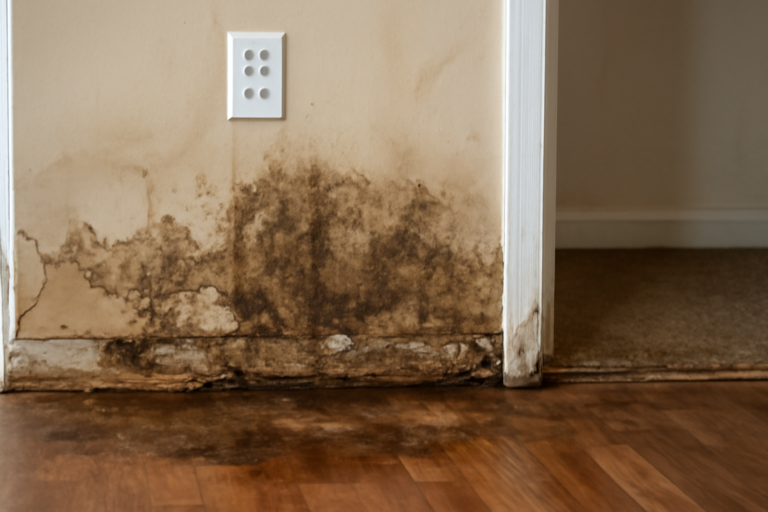
Water stains on your ceiling or walls can be a sign of a leaky HVAC system or burst pipe. Our team is here to help you identify the source of the leak and fix it before it’s too late.
Buckled or Warped Flooring
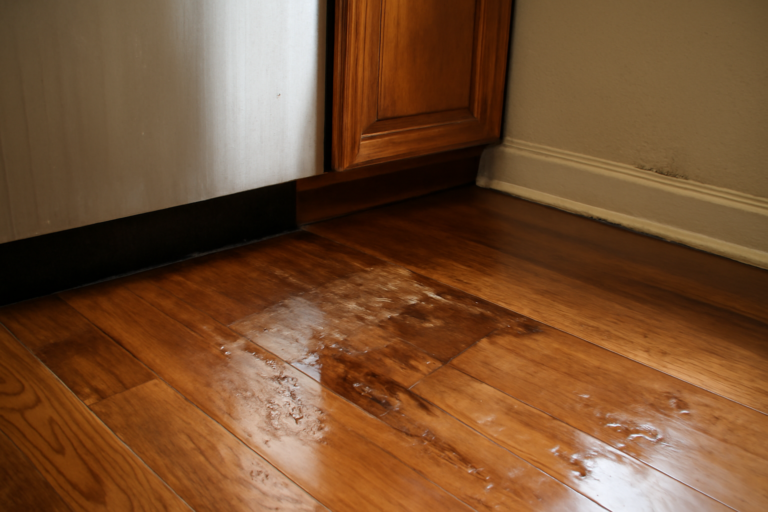
If your flooring is buckled or warped, it could be a sign of water damage or excessive moisture. Don’t wait – call us today to schedule an assessment and get your home back to its original state.
Unusual Sounds Coming from Your HVAC Unit
Unusual sounds coming from your HVAC unit could be a sign of a malfunction or leak. Our team is here to help you identify the issue and fix it before it’s too late.
Water Spots on Your Clothing or Belongings
Water spots on your clothing or belongings can be a sign of water damage or excessive moisture. Don’t ignore it – call us today to schedule an assessment and get your home back to its original state.
Visible Leaks or Water Damage
If you’ve noticed visible leaks or water damage in your home, don’t wait – call us today to schedule an assessment and get your home back to its original state.
HVAC Leak Water Removal vs. DIY: When To Call a Professional
| Situation | DIY? | Call a Pro? | Why |
|---|---|---|---|
| You notice a small leak in your HVAC system and fix it yourself. | Yes | No | Small leaks are usually easy to fix, and you can do it yourself with some basic tools and knowledge. |
| You notice a large leak in your HVAC system and try to fix it yourself. | No | Yes | Larger leaks need specialized equipment and expertise to fix safely and effectively. |
| You notice water damage or mold growth in your home and try to fix it yourself. | No | Yes | Water damage and mold growth need specialized equipment and expertise to fix safely and effectively, and can cause serious health risks if not handled properly. |
| You notice a musty smell in your home and try to fix it yourself. | No | Yes | Musty smells can be a sign of water damage or mold growth, which need specialized equipment and expertise to fix safely and effectively. |
| You notice water stains on your ceiling or walls and try to fix it yourself. | No | Yes | Water stains can be a sign of a leaky HVAC system or burst pipe, which need specialized equipment and expertise to fix safely and effectively. |
| You notice buckled or warped flooring and try to fix it yourself. | No | Yes | Buckled or warped flooring can be a sign of water damage or excessive moisture, which need specialized equipment and expertise to fix safely and effectively. |
With HVAC leak water removal, it’s always best to err on the side of caution and call a professional. Our team has the training, equipment, and expertise to handle even the most complex cases, and we’ll work with you to get your home back to its original state.
HVAC Leak Water Removal Cost in Stillwater, NY
The cost of HVAC leak water removal in Stillwater, NY can vary based on the severity of the damage, the size of the affected area, and local conditions. Here are some estimated price ranges for common services:
| Service | Typical Price Range | What Affects Cost |
|---|---|---|
| Water Extraction | $500 – $2,500 | The size of the affected area, the amount of water extracted, and the equipment used. |
| Drying and Dehumidification | $500 – $2,000 | The size of the affected area, the amount of moisture removed, and the equipment used. |
| Cleaning and Disinfecting | $500 – $1,500 | The size of the affected area, the type of cleaning and disinfecting required, and the equipment used. |
| Restoration and Reconstruction | $1,000 – $5,000 | The size of the affected area, the type of materials and labor required, and the complexity of the project. |
| Free Estimates | No Charge | We offer free estimates for all our services, so you can get a clear picture of the costs involved. |
The final cost will depend on an on-site assessment and can vary based on the specifics of your case. We’ll provide a detailed estimate and work with you to get your home back to its original state.
Service Areas Near Stillwater, NY
We serve the following nearby communities:
Loudonville, NY, Clifton Park, NY, Mechanicville, NY, Malta, NY, Ballston Spa, NY, Rexford, NY, Burnt Hills, NY, and more.
Common Questions About HVAC Leak Water Removal
Q: How long does it take to fix a leaky HVAC system?
A: The time it takes to fix a leaky HVAC system depends on the severity of the issue and the complexity of the repair. Our team will work with you to get your home back to its original state as quickly and safely as possible.
Q: Can I fix a leaky HVAC system myself?
A: While small leaks may be fixable with basic tools and knowledge, larger leaks need specialized equipment and expertise to fix safely and effectively. It’s always best to call a professional to avoid further damage and ensure a thorough fix.
Q: How do I know if I have water damage or mold growth in my home?
A: If you notice musty smells, water stains, buckled or warped flooring, or other signs of water damage, it’s best to call us today to schedule an assessment and get your home back to its original state.
Q: What’s the difference between water extraction and drying?
A: Water extraction involves removing standing water from your home, while drying and dehumidification involves removing excess moisture from the air and surfaces. Both are critical steps in preventing further damage and reducing the risk of mold growth.
Q: How do I prevent water damage from my HVAC system?
A: Regular maintenance and inspections can help prevent water damage from your HVAC system. It’s also essential to address any leaks or issues quickly and to work with a professional to ensure a thorough fix.