Standing Water Removal in Stuyvesant, NY: Don’t Let Water Damage Spread
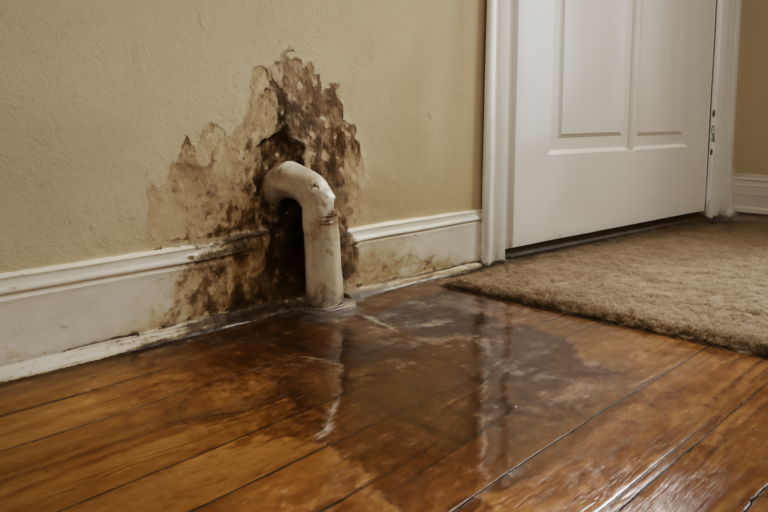
You step into your home, and the first thing you notice is the musty smell. It’s been days since the storm, and you’re starting to worry about the water damage. You see water pooling on the floor, and it’s creeping up the walls. The thought of mold and mildew spreading is terrifying. You need a quick and effective solution to remove the standing water and prevent further damage. Our team is here to help, with equipment and expertise to handle even the toughest water removal jobs. We’ll get your home dry and safe in no time.
Don’t just take our word for it – our customers rave about our service. With over 165 five-star reviews, you can trust that you’re in good hands. Our team has the skills and experience to get the job done right, and our commitment to customer satisfaction ensures that you’ll be happy with the results.
- Our team uses advanced equipment to quickly and safely remove standing water, reducing the risk of mold and mildew growth.
- We have the expertise to identify and address hidden water damage, preventing future problems.
- Our efficient drying process gets your home dry and safe in no time, reducing downtime and disruption to your life.
How Our Standing Water Removal Service Works
When you need standing water removal, you want a team that knows what they’re doing. Our process starts with a thorough inspection to identify the source and extent of the damage. We then use specialized equipment to extract the water and dry the area, all while containing the mess to prevent further damage. Our team is certified by the IICRC and has the training and experience to handle even the toughest water removal jobs.
Step 1: Inspection and Containment
Our team arrives on-site and inspects the damage to identify the source and extent of the problem. We then set up containment barriers to prevent further damage and protect your home and belongings.
Step 2: Water Extraction
We use specialized equipment to extract the standing water, including wet/dry vacuums and extraction units. This helps to prevent further damage and reduce the risk of mold and mildew growth.
Step 3: Drying and Dehumidification
We use industrial-grade drying equipment to dry the affected area, including dehumidifiers and fans. This helps to speed up the drying process and prevent further damage.
Step 4: Disinfection and Sanitizing
We use antimicrobial treatments to disinfect and sanitize the area, helping to prevent the growth of mold and mildew.
Step 5: Final Inspection and Clean-up
Our team conducts a final inspection to ensure that the area is dry and safe. We then clean up any remaining debris and equipment, leaving your home looking like new.
Don’t wait any longer to address the standing water in your home. Call our team today to schedule a consultation and get your home dry and safe in no time.

Warning Signs You Need Standing Water Removal
Catching these warning signs early can save you time, money, and stress in the long run. Here are some common signs that you need standing water removal:
Musty Odors That Won’t Go Away
Strong, unpleasant odors can show the presence of mold and mildew. If you notice a musty smell that persists even after cleaning, it’s time to call our team.
Water Stains on Walls and Ceilings
Water stains can be a sign of hidden water damage. If you notice water stains on your walls or ceilings, it’s essential to investigate further and address the issue quickly.
Buckling or Warping Floors
If your floors are buckling or warping, it may be a sign of water damage. Our team can inspect the area and provide a professional assessment of the damage.
Peeling Paint and Wallpaper
Peeling paint and wallpaper can be a sign of water damage. Our team can help you identify the source of the problem and provide a solution to get your home looking like new again.
Soggy Insulation and Drywall
Soggy insulation and drywall can be a sign of water damage. Our team can inspect the area and provide a professional assessment of the damage.
Cracked Foundations and Walls
Cracked foundations and walls can be a sign of water damage. Our team can inspect the area and provide a professional assessment of the damage.
Standing Water Removal vs. DIY: When To Call a Professional
| Situation | DIY? | Call a Pro? | Why |
|---|---|---|---|
| Water damage is confined to a small area (less than 100 square feet) | Yes | No | DIY methods can be effective for small areas, but be sure to follow proper safety protocols and use the right equipment. |
| Water damage is widespread (more than 100 square feet) or has spread to multiple areas | No | Yes | Professional help is needed to contain and clean up large areas of water damage, preventing further damage and mold growth. |
| Water damage has been present for more than 48 hours | No | Yes | Mold and mildew growth can occur in as little as 24 hours, making it essential to address the issue quickly and professionally. |
| There’s a strong musty smell or visible signs of mold growth | No | Yes | Mold growth needs professional remediation to prevent health risks and further damage. |
| You’re not comfortable handling water damage cleanup or don’t have the right equipment | No | Yes | Professional help ensures a safe and effective cleanup, reducing the risk of further damage and health risks. |
Don’t take the risk of DIY water removal and end up with a bigger mess on your hands. Call our team today to schedule a consultation and get your home dry and safe in no time.
Standing Water Removal Cost in Stuyvesant, NY
The cost of standing water removal depends on several factors, including the severity of the damage, the size of the affected area, and local conditions in Stuyvesant, NY. Our prices range from $500 to $2,500 or more, depending on the extent of the damage. We offer free estimates and on-site assessments to find out the best course of action for your specific situation.
| Service | Typical Price Range | What Affects Cost |
|---|---|---|
| Water extraction and removal | $500-$2,000 | Size and severity of damage, number of equipment and personnel required |
| Drying and dehumidification | $500-$1,500 | Size and severity of damage, type and number of equipment required |
| Disinfection and sanitizing | $200-$1,000 | Size and severity of damage, type and number of equipment required |
| Final inspection and clean-up | $200-$500 | Size and severity of damage, number of personnel required |
Keep in mind that exact pricing depends on an on-site assessment and that free estimates are available. Call our team today to schedule a consultation and get your home dry and safe in no time.
Service Areas Near Stuyvesant, NY
We serve the following areas and more: Albany, Cohoes, Colonie, East Greenbush, Guilderland, Latham, Loudonville, Medusa, Menands, Niskayuna, Rensselaer, Watervliet, Wilton, Wynantskill, and surrounding communities.
Common Questions About Standing Water Removal
Q: What causes standing water in my home?
A: Standing water can be caused by a variety of factors, including leaks, floods, and poor drainage. Our team can help identify the source of the problem and provide a solution to get your home dry and safe.
Q: Is standing water removal covered by insurance?
A: Yes, many insurance policies cover standing water damage. Our team can help you navigate the claims process and ensure that you receive the coverage you deserve.
Q: How long does standing water removal take?
A: The length of time it takes to complete standing water removal depends on the severity and size of the damaged area. Our team will provide a detailed estimate and timeline for your specific situation.
Q: Is standing water removal a DIY-friendly task?
A: While some DIY methods can be effective for small areas, standing water removal needs specialized equipment and expertise to ensure a safe and effective cleanup. Our team is certified by the IICRC and has the training and experience to handle even the toughest water removal jobs.
Q: Can standing water removal prevent mold growth?
A: Yes, prompt and professional standing water removal can help prevent mold growth by removing the source of moisture and using antimicrobial treatments to disinfect and sanitize the area.