Protect Your Home from Floodwaters: Understanding Submersible Pump Water Extraction in Voorheesville, NY
Living in Voorheesville, NY, means dealing with heavy spring rainfall, snowmelt, and occasional storm surges. You’re not alone if you’ve ever experienced a flooded basement or crawl space. Water can seep into your home through cracks, crevices, or poor drainage, causing damage to walls, floors, and belongings. That’s where submersible pump water extraction comes in, a crucial service to restore your property to its pre-flood state. Our team is IICRC certified and has helped 165+ homeowners in the area recover from water damage. We’ll explain how submersible pumps work, why prevention is key, and what to expect from our process.
Homeowners trust us for submersible pump water extraction because of our commitment to quality, expertise, and customer satisfaction. Our technicians are equipped with the latest equipment and trained to handle even the most challenging water extraction jobs. We’ll show you why prevention is essential and how our team can help you spot warning signs early.
- Reduce damage and costs by acting quickly and correctly.
- Prevent secondary damage from mold, mildew, and structural issues.
- Ensure a safe living environment for you and your family.
How Our Submersible Pump Water Extraction Service Works
Submersible pump water extraction is a meticulous process that needs expertise, specialized equipment, and a clear understanding of water behavior. Our team’s process ensures that every drop of water is extracted, and your property is restored to its original condition. We’ll explain each step, so you know what to expect and why it’s essential to follow our process.
Step 1: Inspection and Assessment
We begin by inspecting your property to find out the extent of the damage. Our technicians will identify the source of the water, assess the level of saturation, and identify any potential safety hazards. We’ll use specialized equipment to measure the moisture levels and find out the best course of action.
Step 2: Water Extraction
Our team will deploy submersible pumps to extract the standing water from your basement, crawl space, or other affected areas. These pumps are designed to handle large volumes of water and can be used in tight spaces. We’ll also use wet vacuums and other equipment to remove water from hard-to-reach areas.
Step 3: Drying and Dehumidification
Once the water is extracted, we’ll use specialized equipment to dry and dehumidify the affected areas. This step is crucial in preventing secondary damage from mold, mildew, and structural issues. Our technicians will use desiccants, air movers, and dehumidifiers to restore the indoor air quality and prevent further damage.
Step 4: Cleaning and Sanitizing
After the drying process is complete, our team will clean and sanitize the affected areas to prevent the growth of mold and mildew. We’ll use eco-friendly cleaning products and sanitizers to ensure your property is safe and healthy.
Step 5: Restoration and Reconstruction
Once the cleaning and sanitizing process is complete, our team will work with you to restore your property to its original condition. This may involve repairing or replacing damaged walls, floors, and ceilings. We’ll also help you with any necessary reconstruction to ensure your property is safe and secure.
Don’t wait until it’s too late, act quickly and correctly to reduce damage and costs. Our team is here to help you through the process, ensuring your property is restored to its original condition.

Warning Signs You Need Submersible Pump Water Extraction
Early detection is key to preventing secondary damage and costly repairs. Keep an eye out for these warning signs:
Musty Odors That Won’t Go Away
Strong, unpleasant odors can show the presence of mold and mildew. If you notice a persistent musty smell, it’s essential to investigate the source and address the issue quickly.
Warped or Buckled Flooring
Warped or buckled flooring can be a sign of water damage. If you notice any changes in your flooring, it’s crucial to investigate the cause and take corrective action.
Stains or Discoloration on Walls or Ceilings
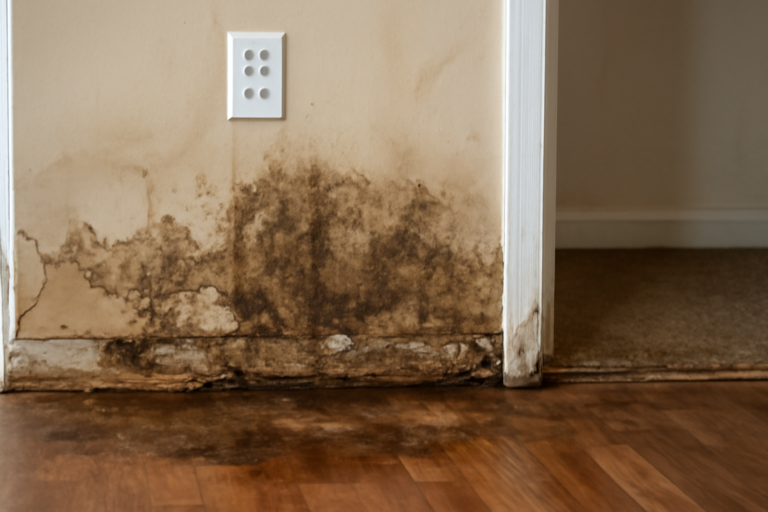
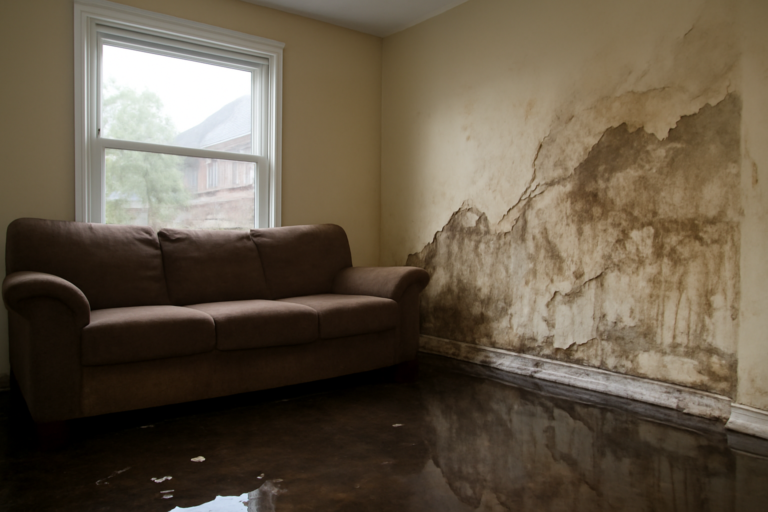
Stains or discoloration on walls or ceilings can show water damage or leaks. Don’t ignore these signs, address the issue quickly to prevent further damage.
Water Stains or Mineral Deposits
Water stains or mineral deposits on walls or ceilings can be a sign of water damage. If you notice any of these signs, it’s essential to investigate the cause and take corrective action.
Increased Humidity or Moisture
Increased humidity or moisture levels can show water damage or leaks. Use a hygrometer to measure the indoor air quality and address any issues quickly.
Visible Water Leaks or Seepage
Visible water leaks or seepage can be a sign of a more significant issue. If you notice any water leaks or seepage, address the issue quickly to prevent further damage.
Submersible Pump Water Extraction vs. DIY: When To Call a Professional
| Situation | DIY? | Call a Pro? | Why |
|---|---|---|---|
| Small water leak (less than 1 gallon per minute) | Yes | No | DIY is enough for small leaks, but ensure you have the right equipment and follow proper safety protocols. |
| Large water leak (over 1 gallon per minute) | No | Yes | A large water leak needs specialized equipment and expertise to prevent further damage and ensure safety. |
| Flooding or standing water (over 1 inch deep) | No | Yes | Flooding or standing water needs immediate attention and specialized equipment to prevent secondary damage and ensure safety. |
| Water damage in a tight or hard-to-reach space | No | Yes | Water damage in a tight or hard-to-reach space needs specialized equipment and expertise to ensure safe and effective removal. |
| Water damage with suspected mold or mildew growth | No | Yes | Water damage with suspected mold or mildew growth needs specialized equipment and expertise to ensure safe and effective removal and prevention of further growth. |
| Water damage with structural damage (e.g., warped or buckled flooring) | No | Yes | Water damage with structural damage needs specialized equipment and expertise to ensure safe and effective repair and prevention of further damage. |
When in doubt, it’s always best to err on the side of caution and call a professional. Our team has the expertise and equipment to handle even the most challenging water extraction jobs, ensuring your property is safe and secure.
Submersible Pump Water Extraction Cost in Voorheesville, NY
The cost of submersible pump water extraction in Voorheesville, NY, varies based on the severity of the damage, the size of the affected area, and local conditions. Our estimates range from $500 to $2,500 or more, depending on the complexity of the job. We’ll provide a detailed breakdown of the costs and services included in our estimate.
| Service | Typical Price Range | What Affects Cost |
|---|---|---|
| Initial Inspection and Assessment | $100-$500 | Severity of damage, size of affected area, and complexity of the job |
| Water Extraction (submersible pumps, wet vacuums, etc.) | $500-$2,500 | Volume of water, complexity of the job, and equipment needed |
| Drying and Dehumidification | $500-$2,000 | Size of affected area, humidity levels, and equipment needed |
| Cleaning and Sanitizing | $200-$1,000 | Size of affected area, type of cleaning products used, and equipment needed |
| Restoration and Reconstruction | $1,000-$5,000 | Severity of damage, size of affected area, and materials needed |
Exact pricing depends on an on-site assessment, and we offer free estimates to ensure you understand the costs involved. Our goal is to provide you with a clear breakdown of the services and costs, so you can make an informed decision.
Service Areas Near Voorheesville, NY
We serve the following communities in the area: Albany, Bethlehem, Colonie, Delmar, Guilderland, Latham, Loudonville, Menands, Slingerlands, Watervliet, West Albany, and surrounding areas.
Common Questions About Submersible Pump Water Extraction
What is submersible pump water extraction?
Submersible pump water extraction is a process used to remove standing water from your basement, crawl space, or other affected areas. Our team uses specialized equipment, including submersible pumps, wet vacuums, and desiccants, to ensure safe and effective removal of water.
How long does submersible pump water extraction take?
The duration of submersible pump water extraction varies depending on the severity of the damage, the size of the affected area, and the equipment needed. Our team will provide a detailed timeline and estimated completion date to ensure you understand the process.
Is submersible pump water extraction safe?
Yes, submersible pump water extraction is a safe process when performed by a trained and certified professional. Our team takes necessary safety precautions to prevent electrical shock, slipping hazards, and other potential risks.
Can I do submersible pump water extraction myself?
No, it’s not recommended to try submersible pump water extraction yourself. This process needs specialized equipment, expertise, and safety protocols to ensure safe and effective removal of water. Our team is trained and certified to handle even the most challenging water extraction jobs.
What if I have insurance coverage for water damage?
We work with most insurance companies to ensure a smooth claims process. Our team will help you navigate the insurance process and provide documentation to support your claim.
How can I prevent water damage in the future?
Prevention is key to avoiding costly repairs and ensuring your property remains safe and secure. Regular inspections, proper maintenance, and addressing any water-related issues quickly can help prevent water damage in the future.