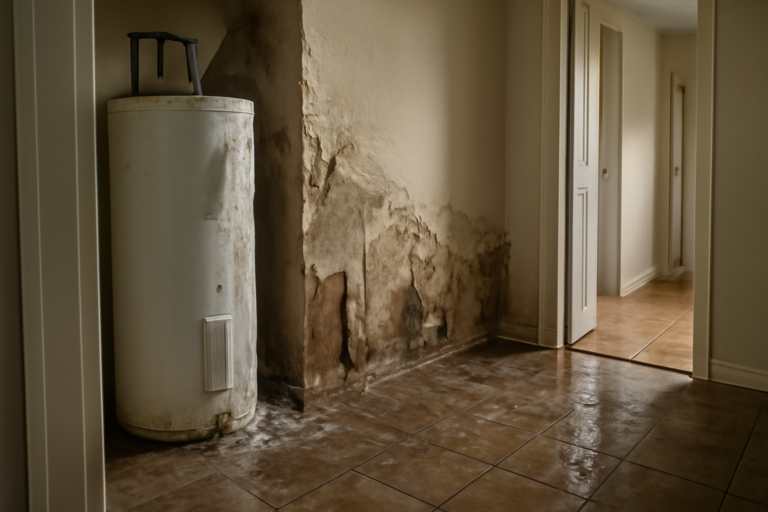
Summer Storms Bring Standing Water Risks to Dalton, MA
Strong summer storms can bring heavy rainfall to Dalton, MA, causing significant water accumulation around your AC unit. This can lead to water damage, electrical issues, and even mold growth.
Locally, you’re not alone in dealing with this issue. Our team of technicians has helped countless homeowners in your neighborhood recover from AC unit water damage.
- Our service ensures a dry and safe living space, protecting your property and preventing costly repairs.
- We use advanced equipment to extract water quickly and efficiently, reducing secondary damage.
- Our technicians are IICRC-certified and equipped to handle any size job, from small spills to major flooding.
How Our Team Handles AC Unit Water Removal
When you call us for AC unit water removal, you can expect a thorough and meticulous process that focuses on your safety and property preservation.
Step 1: Emergency Response
We’ll dispatch our crews to your location within 60 minutes, equipped with specialized equipment to handle the water removal process. Our technicians will assess the situation, identify potential hazards, and create a customized plan to address the issue.
Avoid delays and secondary damage.
Protect your property and safety.
Get a free, no-obligation estimate.
Step 2: Water Extraction
Using state-of-the-art equipment, our technicians will extract the standing water from your AC unit and surrounding areas. This step is crucial in preventing mold growth, electrical issues, and further damage.
Reduce water damage and secondary issues.
Prevent electrical hazards and costly repairs.
Ensure a dry and safe environment.
Step 3: Drying and Dehumidification
After water removal, our technicians will use specialized drying equipment to dry out the affected areas. This step is essential in preventing mold growth and ensuring your property is thoroughly dry.
Prevent mold growth and bacterial development.
Ensure thorough drying and moisture removal.
Protect your property and health.
Step 4: Sanitizing and Cleaning
Once the drying process is complete, our technicians will sanitize and clean the affected areas to prevent any potential health risks. This step includes disinfecting surfaces, cleaning equipment, and removing any debris.
Prevent health risks and unpleasant odors.
Ensure a clean and hygienic environment.
Worth every penny.
Step 5: Final Inspection and Cleanup
After completing the water removal and drying process, our technicians will conduct a final inspection to ensure your property is thoroughly dry and safe. This step includes verifying that all equipment has been removed and the area is clean and free of any hazards.
Verify a safe and dry environment.
Ensure all equipment has been removed.
Protect your property and safety.

Warning Signs You Need AC Unit Water Removal
Catching these signs early can save you money and prevent bigger problems. Don’t ignore these warning signs:
Musty Odors That Won’t Go Away
A persistent, unpleasant odor in your home, especially in areas around your AC unit, can show water damage or mold growth. Don’t ignore it!
Address the issue quickly.
Prevent health risks and unpleasant odors.
Ensure a clean and hygienic environment.
Water Stains on Walls or Ceilings
Visible water stains or discoloration on walls or ceilings can show water damage or leaks. Don’t delay in addressing the issue.
Verify the source and cause.
Prevent further damage and costly repairs.
Protect your property and safety.
Increased Humidity or Moisture
Unusual humidity or moisture levels in your home, especially in areas around your AC unit, can lead to mold growth and water damage. Act quickly!
Monitor humidity levels and address issues quickly.
Prevent mold growth and health risks.
Ensure a safe and dry environment.
AC Unit Water Removal vs. DIY: When To Call a Professional
| Situation | DIY? | Call a Pro? | Why |
|---|---|---|---|
| Standing water around AC unit | No | Yes | Prevents electrical hazards and costly repairs. |
| Visible water stains or discoloration | Maybe | Yes | Verifies the source and cause, prevents further damage. |
| Unusual humidity or moisture levels | No | Yes | Prevents mold growth and health risks. |
| Small spill or minor water damage | Yes | No | DIY is fine for small, contained issues. |
| Major flooding or extensive water damage | No | Yes | Professional equipment and expertise are required for large-scale issues. |
| Electrical issues or potential fire hazards | No | Yes | Prevents electrical hazards and ensures safety. |
With AC unit water removal, don’t take risks. Call a professional to ensure your safety and property preservation.
AC Unit Water Removal Cost In Dalton, MA
The cost of AC unit water removal in Dalton, MA, varies based on the severity of the issue, size of the affected area, and local conditions. These estimates are not guarantees, but rather a general idea of what you might expect to pay.
| Service | Typical Price Range | What Affects Cost |
|---|---|---|
| Emergent response and assessment | $200 – $1,000 | Severity of the issue, size of the affected area |
| Water extraction and removal | $500 – $2,500 | Amount of water, equipment required |
| Drying and dehumidification | $1,000 – $3,000 | Size of the affected area, equipment required |
| Sanitizing and cleaning | $500 – $2,000 | Severity of the issue, equipment required |
| Final inspection and cleanup | $200 – $1,000 | Size of the affected area, equipment required |
Keep in mind that exact pricing depends on an on-site assessment. We offer free estimates to ensure you understand the costs involved.
Service Areas Near Dalton, MA
We serve the following communities: Bennington, VT, Ballston, NY, Pittsfield, MA, Lenox, MA, Great Barrington, MA, Stockbridge, MA, Lee, MA, Lenox Dale, MA, Morningside, MA, South Lee, MA, Monterey, MA, Housatonic, MA, Egremont, MA, Alford, MA, Richmond, MA, Becket, MA, Worthington, MA, Otis, MA, Middlefield, MA, Goshen, MA, Sandisfield, MA, Otis, MA.
Common Questions About AC Unit Water Removal
How Long Does AC Unit Water Removal Take?
The length of the process depends on the severity of the issue, size of the affected area, and local conditions. Our technicians will provide a detailed timeline during the assessment.
Get a free, no-obligation estimate.
Protect your property and safety.
Ensure a dry and safe environment.
Is AC Unit Water Removal Covered by Insurance?
Yes, in many cases, AC unit water removal is covered by insurance. But, the specifics depend on your policy and the cause of the damage.
Verify your policy and coverage.
Document the damage and issue.
Get a free, no-obligation estimate.
What Happens If I Delay AC Unit Water Removal?
Delaying AC unit water removal can lead to secondary damage, increased costs, and potential health risks. Don’t wait, address the issue quickly.
Act quickly and address the issue.
Prevent further damage and costly repairs.
Protect your property and safety.
Can I Prevent AC Unit Water Damage?
Yes, you can prevent AC unit water damage by regularly inspecting and maintaining your unit, ensuring proper installation and drainage, and addressing any issues quickly.
Regularly inspect and maintain your unit.
Ensure proper installation and drainage.
Act quickly and address any issues.
What Happens During AC Unit Water Removal?
During AC unit water removal, our technicians will assess the situation, extract the water, dry and dehumidify the affected areas, and sanitize and clean the space. We’ll provide a detailed explanation of the process during the assessment.
Get a free, no-obligation estimate.
Protect your property and safety.
Ensure a dry and safe environment.