AC Unit Water Removal in Red Hook, NY
Trusted by 130+ Homeowners
Don’t Let Standing Water Damage Your AC Unit in Red Hook, NY
Water accumulation in your air conditioning unit can cause costly repairs, health risks, and even safety hazards. If you’ve noticed puddles around your AC unit, don’t assume it’s just a minor issue. Act quickly as standing water can spread to other areas of your home, causing mold growth and structural damage. In the area, this is a common problem, especially during heavy rainfall or when there’s a leak in the system.
With over 165+ five-star reviews, our team is the go-to choice for AC unit water removal in the local community. Homeowners trust us with their properties because of our swift response times and expert technicians who can handle even the most complex cases.
- Quick response times to reduce damage and prevent further water accumulation
- Expert technicians with IICRC certification to ensure safe and effective water removal
- Free on-site assessments to find out the extent of the damage and provide accurate estimates
Our Process for AC Unit Water Removal
We understand that time is of the essence when dealing with water damage. That’s why our team follows a proven process to ensure rapid water removal and complete drying. We’ll work efficiently to reduce downtime and get your AC unit up and running in no time.
Step 1: Inspection and Assessment
Our technicians will conduct a thorough inspection to find out the source of the leak and assess the extent of the damage. This is where precision matters as our team will identify any underlying issues that need to be addressed.
Step 2: Water Removal and Extraction
Using specialized equipment, our team will carefully extract the standing water from your AC unit and surrounding areas. This is a critical step, as every minute counts in preventing further damage.
Step 3: Drying and Dehumidification
To prevent mold growth and ensure your AC unit is completely dry, we’ll use powerful dehumidifiers and air movers to speed up the drying process.
Step 4: Cleaning and Sanitizing
Our technicians will thoroughly clean and sanitize your AC unit and surrounding areas to prevent any health risks associated with water damage.
Step 5: Repair and Restoration
Finally, we’ll work with you to repair or replace any damaged parts and restore your AC unit to its original condition.
Don’t wait until the problem gets worse. Call us today to schedule an on-site assessment and take the first step towards restoring your AC unit to its former glory.

Warning Signs You Need AC Unit Water Removal
Ignoring water damage can lead to costly repairs, health risks, and even safety hazards. Keep an eye out for these warning signs to avoid further damage:
Musty Odors That Won’t Go Away
Unpleasant odors can be a sign of mold growth, which can spread quickly and cause serious health issues. If you notice persistent odors it’s time to call a professional.
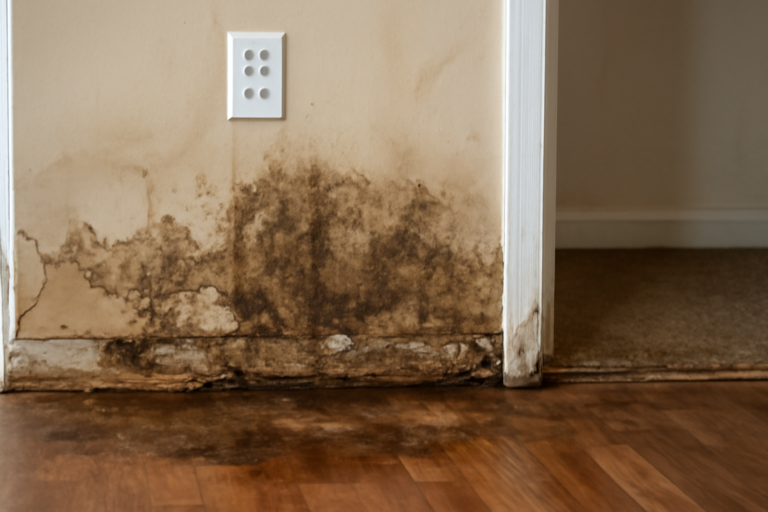
Water Stains on Ceilings or Walls
Water stains can be a sign of a leak in your AC unit or other hidden areas of your home. Don’t ignore them, as water damage can spread quickly.
Increased Utility Bills
If your utility bills are higher than usual, it may be a sign that your AC unit is working harder to compensate for water damage. Get it checked before it gets worse.
Visible Water Accumulation
Don’t wait until you notice visible water accumulation around your AC unit. Call a professional as soon as possible to prevent further damage.
Discoloration or Warping of Surrounding Materials
Water damage can cause discoloration or warping of surrounding materials, such as wood or drywall. Act quickly to prevent further damage.
Increased Humidity Levels
High humidity levels can be a sign of water damage or a malfunctioning AC unit. Get it checked to prevent further issues.
AC Unit Water Removal vs. DIY: When To Call a Professional
| Situation | DIY? | Call a Pro? | Why |
|---|---|---|---|
| Visible water accumulation around the AC unit | No | Yes | DIY can exacerbate the issue, leading to further damage and health risks. |
| Increased utility bills due to water damage | No | Yes | DIY can’t address underlying issues, leading to continuous water damage and higher bills. |
| Mold growth or musty odors | No | Yes | DIY can spread mold, causing serious health issues and needing costly remediation. |
| Water stains on ceilings or walls | No | Yes | DIY can’t address underlying leaks, leading to further water damage and costly repairs. |
| Increased humidity levels | No | Yes | DIY can’t address underlying issues, leading to continuous humidity problems and health risks. |
| AC unit not working properly due to water damage | No | Yes | DIY can’t address complex issues, needing professional expertise and specialized equipment. |
Don’t risk further damage or health risks by trying to handle AC unit water removal yourself. Call a professional to ensure safe and effective water removal and restoration.
AC Unit Water Removal Cost In Red Hook, NY
The cost of AC unit water removal varies based on the severity of the damage, size of the affected area, and local conditions in Red Hook, NY. These are estimates, not guarantees.
| Service | Typical Price Range | What Affects Cost |
|---|---|---|
| Water removal and extraction | $500 – $2,500 | Size of affected area, severity of damage, and equipment required |
| Drying and dehumidification | $200 – $1,000 | Size of affected area, type of equipment required, and duration of drying process |
| Cleaning and sanitizing | $100 – $500 | Size of affected area, type of cleaning required, and equipment used |
| Repair or replacement of damaged parts | $500 – $2,500 | Type of damage, complexity of repair, and cost of replacement parts |
| Free on-site assessment and estimate | $0 – $100 | Location and complexity of the job |
Exact pricing depends on an on-site assessment. We offer free estimates to help you understand the scope of the project and the costs involved.
Service Areas Near Red Hook, NY
Our team serves the following areas:
Astoria, Queens, NY; Bay Ridge, Brooklyn, NY; Boerum Hill, Brooklyn, NY; Brooklyn Heights, Brooklyn, NY; Brooklyn Navy Yard, Brooklyn, NY; Bushwick, Brooklyn, NY; Carroll Gardens, Brooklyn, NY; Cobble Hill, Brooklyn, NY; Columbia Street Waterfront District, Brooklyn, NY; Coney Island, Brooklyn, NY; Crown Heights, Brooklyn, NY; Ditmas Park, Brooklyn, NY; Downtown Brooklyn, Brooklyn, NY; DUMBO, Brooklyn, NY; East New York, Brooklyn, NY; Fort Greene, Brooklyn, NY; Greenpoint, Brooklyn, NY; Kensington, Brooklyn, NY; Liberty Square, Brooklyn, NY; Marine Park, Brooklyn, NY; Midwood, Brooklyn, NY; Park Slope, Brooklyn, NY; Prospect Heights, Brooklyn, NY; Prospect Lefferts Gardens, Brooklyn, NY; Prospect Park South, Brooklyn, NY; Sea Gate, Brooklyn, NY; Sheepshead Bay, Brooklyn, NY; South Brooklyn, Brooklyn, NY; South Slope, Brooklyn, NY; Stuyvesant Heights, Brooklyn, NY; Sunset Park, Brooklyn, NY; Williamsburg, Brooklyn, NY; Wyckoff Heights, Brooklyn, NY; Harlem, Manhattan, NY; Highbridge, Manhattan, NY; Inwood, Manhattan, NY; Kips Bay, Manhattan, NY; Lenox Hill, Manhattan, NY; Manhattan Valley, Manhattan, NY; Morningside Heights, Manhattan, NY; Mount Sinai, Manhattan, NY; Peter Cooper Village, Manhattan, NY; Randall’s Island, Manhattan, NY; Roosevelt Island, Manhattan, NY; Spanish Harlem, Manhattan, NY; Sugar Hill, Manhattan, NY; Turtle Bay, Manhattan, NY; Upper East Side, Manhattan, NY; Upper West Side, Manhattan, NY; Waterside Plaza, Manhattan, NY; Yorkville, Manhattan, NY; Astoria, Queens, NY; Bayside, Queens, NY; Breezy Point, Queens, NY; College Point, Queens, NY; Elmhurst, Queens, NY; Far Rockaway, Queens, NY; Forest Hills, Queens, NY; Fresh Meadows, Queens, NY; Glendale, Queens, NY; Jackson Heights, Queens, NY; Jamaica, Queens, NY; Jamaica Estates, Queens, NY; Jamaica Hills, Queens, NY; Kew Gardens, Queens, NY; Laurelton, Queens, NY; LeFrak City, Queens, NY; Long Island City, Queens, NY; Maspeth, Queens, NY; Meadowmere, Queens, NY; Middle Village, Queens, NY; Ozone Park, Queens, NY; Pomonok, Queens, NY; Queensboro Hill, Queens, NY; Rego Park, Queens, NY; Richmond Hill, Queens, NY; Ridgewood, Queens, NY; Rockaway Beach, Queens, NY; Rockaway Park, Queens, NY; South Jamaica, Queens, NY; South Ozone Park, Queens, NY; Springfield Gardens, Queens, NY; St. Albans, Queens, NY; Sunnyside, Queens, NY; The Burg, Queens, NY; The Heights, Queens, NY; The Shops at Atlas Park, Queens, NY; Whitestone, Queens, NY; Woodside, Queens, NY; Bronxville, Westchester, NY; Dobbs Ferry, Westchester, NY; Eastchester, Westchester, NY; Edgemont, Westchester, NY; Harrison, Westchester, NY; Hartsdale, Westchester, NY; Hastings-on-Hudson, Westchester, NY; Irvington, Westchester, NY; Larchmont, Westchester, NY; Mamaroneck, Westchester, NY; Mount Vernon, Westchester, NY; New Rochelle, Westchester, NY; Pelham, Westchester, NY; Pelham Manor, Westchester, NY; Port Chester, Westchester, NY; Rye, Westchester, NY; Rye Brook, Westchester, NY; Scarsdale, Westchester, NY; Tuckahoe, Westchester, NY; White Plains, Westchester, NY; Yonkers, Westchester, NY.
Common Questions About AC Unit Water Removal
Q: Is AC unit water removal covered by insurance?
A: Yes, AC unit water removal is typically covered by homeowners’ insurance, but it depends on the specific policy and circumstances. Our team can help you navigate the process and ensure you receive the coverage you need.
Q: How long does AC unit water removal take?
A: The duration of AC unit water removal varies depending on the severity of the damage, size of the affected area, and equipment used. On average, our team can complete the process within 3-5 days, but it’s essential to act quickly to prevent further damage and health risks.
Q: Is AC unit water removal safe for my family?
A: Yes, AC unit water removal is safe for your family when done by a professional team. Our technicians take necessary precautions to prevent exposure to bacteria, mold, and other health risks associated with water damage.
Q: Can I try to dry out my AC unit myself?
A: No, it’s not recommended to try AC unit water removal yourself. This can exacerbate the issue, leading to further damage and health risks. Our team has the necessary equipment and expertise to ensure safe and effective water removal and restoration.
Q: How much does AC unit water removal cost?
A: The cost of AC unit water removal varies based on the severity of the damage, size of the affected area, and equipment used. Our team provides free on-site assessments and estimates to help you understand the scope of the project and the costs involved.
Check Our Other Relevant Services
Serving Red Hook, NY And Nearby Areas