Floodwater Removal in Bennington, VT: What to Expect
You wake up to find 2 inches of standing water in your basement. The smell of mold is overwhelming, and you can hear the sound of dripping water against the walls. It’s clear that you need professional help immediately. Our team has seen this scene play out in many homes in the Bennington, VT area, and we’re here to guide you through the process.
Our team has helped over 165 homeowners in your area with floodwater removal, and we’ve earned a reputation for our fast, reliable, and thorough service. You can trust us to get the job done right, and our customers agree: you’ll find plenty of 5-star reviews from satisfied homeowners in Bennington and beyond.
- We use advanced moisture-reading equipment to identify hidden water sources and ensure complete drying.
- Our technicians use specialized equipment to extract water quickly and safely, reducing damage to your property.
- We provide a detailed, written estimate for all work, so you know exactly what to expect and can budget accordingly.
How Our Floodwater Removal Process Works
Floodwater removal is a complex process that needs careful attention to detail and a thorough understanding of the science behind water damage. When you call our team, you can rest assured that our technicians will follow a proven process to get your home dried out and back to normal. We’ll start by assessing the damage and identifying any potential safety hazards.
Assessment and Safety Check
Our technicians will conduct a thorough assessment of the affected area, looking for signs of structural damage or other safety concerns. They’ll use specialized equipment to detect hidden water sources and identify the extent of the damage.
Water Extraction
Next, our technicians will use specialized equipment to extract the standing water from your home. This is a critical step, as it prevents further damage and reduces the risk of mold growth.
Moisture Reading and Drying
With the standing water removed, our technicians will use advanced moisture-reading equipment to identify any remaining moisture in the affected area. They’ll then use specialized drying equipment to dry out the area, including walls, floors, and any other surfaces.
Disinfection and Cleaning
Once the area is dry, our technicians will disinfect and clean the affected area to prevent mold growth and remove any remaining debris.
Final Inspection and Touch-ups
Our technicians will conduct a final inspection to ensure that the area is completely dry and free of any remaining moisture or debris. They’ll make any necessary touch-ups to ensure that your home is safe and secure.
Don’t wait, the longer you delay, the more damage can occur. Call our team today to schedule a free estimate and get your home back to normal.

Warning Signs You Need Floodwater Removal
Catching the signs of floodwater removal early can save you thousands of dollars in repairs and prevent bigger problems down the line. Here are some signs that you need professional help:
Musty Odors That Won’t Go Away
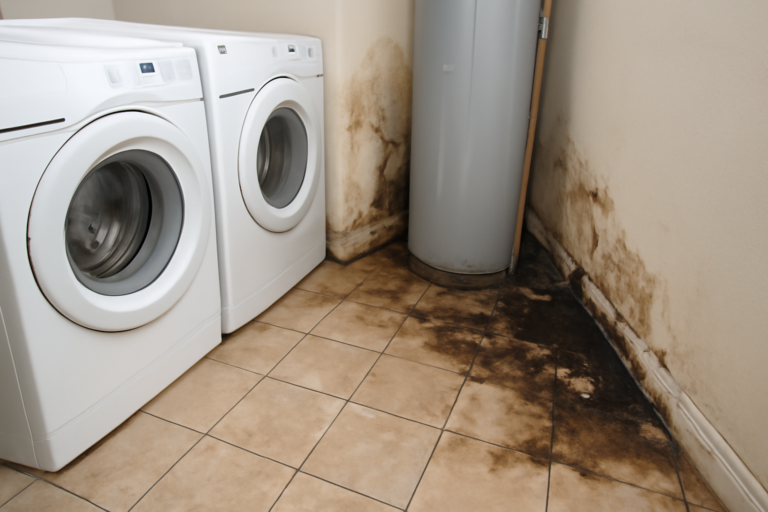
Strong, unpleasant odors in your home can be a sign of mold growth. If you notice a persistent musty smell in your basement or other areas, don’t ignore it, call our team today.
Water Stains on Your Walls or Ceiling
Water stains on your walls or ceiling can be a sign of a hidden water leak or flood. Don’t wait, call our team to schedule a free estimate and get to the bottom of the problem.
Warped or Buckled Floors
Warped or buckled floors can be a sign of water damage or a hidden leak. If you notice any changes in the appearance of your floors, don’t delay, call our team today.
Peeling Paint or Wallpaper
Peeling paint or wallpaper can be a sign of water damage or humidity issues. If you notice any changes in the appearance of your walls or ceilings, call our team to schedule a free estimate.
Mold Growth in Your Home
Mold growth in your home can be a serious health risk. If you notice any signs of mold growth, including black spots or a musty smell, call our team today.
Floodwater Removal vs. DIY: When to Call a Professional
| Situation | DIY? | Call a Pro? | Why |
|---|---|---|---|
| Standing water in a small area (less than 100 sq ft) | Yes, DIY is fine | Call a Pro? | Because you can extract the water safely and effectively without specialized equipment. |
| Water damage to walls or ceilings, with visible signs of structural damage | No, call a Pro | Because you need specialized equipment and training to safely and effectively restore your home. | |
| Hidden water sources or moisture readings above 20% in a large area (over 500 sq ft) | No, call a Pro | Because you need specialized equipment to detect and remove hidden water sources and prevent further damage. | |
| Signs of mold growth in your home | No, call a Pro | Because you need specialized training and equipment to safely and effectively remove mold and prevent further growth. | |
| Water damage to electrical systems or appliances | No, call a Pro | Because you need specialized training and equipment to safely and effectively restore electrical systems and prevent further damage. | |
| Water damage to structural elements, such as beams or joists | No, call a Pro | Because you need specialized training and equipment to safely and effectively restore structural elements and prevent further damage. |
The decision to call a professional for floodwater removal depends on the severity of the damage and the size of the affected area. If you’re unsure, it’s always best to err on the side of caution and call our team to schedule a free estimate.
Floodwater Removal Cost in Bennington, VT
The cost of floodwater removal in Bennington, VT can vary depending on the severity of the damage, the size of the affected area, and local conditions. Our technicians will provide a detailed, written estimate for all work, so you know exactly what to expect and can budget accordingly.
| Service | Typical Price Range | What Affects Cost |
|---|---|---|
| Water Extraction and Removal | $500 – $2,500 | The size of the affected area, the severity of the damage, and the type of equipment needed. |
| Moisture Reading and Drying | $1,000 – $5,000 | The size of the affected area, the severity of the damage, and the type of equipment needed. |
| Disinfection and Cleaning | $500 – $2,000 | The size of the affected area, the severity of the damage, and the type of equipment needed. |
| Final Inspection and Touch-ups | $200 – $1,000 | The size of the affected area, the severity of the damage, and the type of equipment needed. |
| Emergency Service (after hours or weekends) | $100 – $500 | The time of day or weekend, and the urgency of the situation. |
Exact pricing depends on an on-site assessment, and we offer free estimates to all our customers. Call our team today to schedule your appointment and get your home back to normal.
Service Areas Near Bennington, VT
We serve the following areas near Bennington, VT: Manchester, VT; Arlington, VT; Sunderland, VT; Dorset, VT; Danby, VT; Mount Tabor, VT; Poultney, VT; Wells, VT; Castleton, VT; Fair Haven, VT.
Common Questions About Floodwater Removal
How long does floodwater removal take?
The time it takes to complete floodwater removal depends on the size of the affected area and the severity of the damage. In general, our technicians can complete the process within 3-5 days, but in some cases, it may take longer. We’ll provide a detailed estimate and timeline for your specific situation.
Will I need to replace my flooring or walls?
It depends on the extent of the damage. In some cases, our technicians may be able to repair or restore your flooring or walls. But, if the damage is extensive, it may be necessary to replace them entirely. We’ll assess the damage and provide a detailed estimate for all necessary repairs.
Can I stay in my home during the floodwater removal process?
It’s generally not recommended to stay in your home during the floodwater removal process, as it can be unsanitary and hazardous to your health. We recommend finding temporary housing while our technicians work to restore your home.
Will my insurance cover the cost of floodwater removal?
It depends on your insurance policy and the specific circumstances of the damage. We recommend contacting your insurance provider to find out what’s covered and what’s not. We’ll work with you and your insurance company to ensure that you receive the maximum coverage possible.