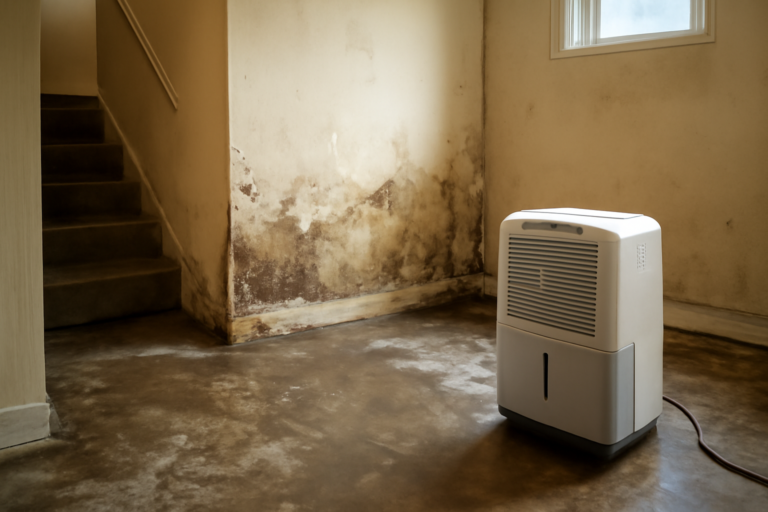
Protect Your Home from the Risks of Gray Water Extraction (Category 2)
Living in the Hudson Valley, where temperatures can fluctuate dramatically between 30°F and 80°F (-1°C to 27°C) in a single month, it’s not uncommon for your plumbing system to be put to the test. In fact, the American Red Cross estimates that a single leaky faucet can waste over 20 gallons of water per day. In our area, this can add up quickly, especially during periods of heavy rainfall when groundwater is more likely to seep into your home’s foundation. That’s why it’s crucial to be aware of the early warning signs of gray water extraction (Category 2) and know what to do in the event of a flood.
Don’t just take our word for it – with over 165 five-star reviews from satisfied customers, our team has a proven track record of delivering effective and efficient results for gray water extraction (Category 2) in the Greenwich, NY area. We understand the importance of acting quickly to reduce damage and prevent costly repairs.
- Quick Response Times: Our team responds within 60 minutes to ensure that your home is protected from further damage.
- Advanced Equipment: We use state-of-the-art equipment to thoroughly extract gray water and prevent the growth of mold and mildew.
- Comprehensive Cleanup: Our team covers every inch of your property to ensure a thorough and complete cleanup.
The Process of Gray Water Extraction (Category 2)
At its core, gray water extraction (Category 2) is a process that needs a delicate balance of technique, equipment, and experience. When corners are cut or a proper process is ignored, the consequences can be devastating – not just for your home’s structure, but also for your health and safety. That’s why it’s essential to work with a team that understands the intricacies of this process and has the expertise to execute it flawlessly.
Step 1: Assessing the Damage
Our team begins by conducting a thorough assessment of the affected area to find out the extent of the damage. This involves identifying the source of the leak, evaluating the amount of water that has been released, and pinpointing any areas where the water may have seeped into the walls or floor. With our IICRC-certified technicians on the job, you can trust that every detail will be accounted for.
Step 2: Extracting the Water
Next, our team will use specialized equipment to extract the gray water from your home. This may involve setting up a network of pumps, hoses, and other machinery to efficiently remove the water and prevent further damage. Our technicians are trained to work efficiently and effectively, reducing downtime and getting your home back to normal as soon as possible.
Step 3: Drying and Dehumidifying
Once the water has been extracted, our team will focus on drying and dehumidifying the affected area. This involves using specialized equipment to remove excess moisture from the air and surfaces, preventing the growth of mold and mildew. Our technicians will also apply a range of drying agents to speed up the process and ensure that your home is safe and secure.
Step 4: Cleaning and Sanitizing
Finally, our team will conduct a thorough cleaning and sanitizing of the affected area. This involves removing any debris, silt, or other contaminants that may have been left behind, and applying a range of sanitizing agents to ensure that your home is completely free from any bacteria or other microorganisms.
Don’t wait until it’s too late – contact our team today to schedule your gray water extraction (Category 2) service and get your home back to normal in no time.

Warning Signs You Need Gray Water Extraction (Category 2)
Don’t ignore the warning signs – if you notice any of the following, it’s crucial to act quickly to prevent further damage and ensure your health and safety:
Musty Odors That Won’t Go Away
Strong, unpleasant odors are a clear indication that mold and mildew have taken hold in your home. If you notice a persistent musty smell, it’s essential to investigate and address the issue immediately.
Water Stains or Discoloration
Water stains or discoloration on walls, ceilings, or floors are a clear sign that water has seeped into your home. Don’t ignore these signs – instead, contact our team to schedule an assessment and find out the best course of action.
Warped or Buckled Floors
If you notice that your floors are warped or buckled, it’s likely that water has seeped into the subfloor and caused damage. Don’t delay – contact our team today to schedule a gray water extraction (Category 2) service and get your floors back to normal.
Gray Water Extraction (Category 2) vs. DIY: When To Call a Professional
| Situation | DIY? | Call a Pro? | Why |
|---|---|---|---|
| Small leak in a bathroom or kitchen | Yes | No | DIY solutions can handle small leaks with minimal damage. |
| Large flood in a basement or crawlspace | No | Yes | Professionals have the equipment and expertise to handle large-scale disasters. |
| Visible mold or mildew growth | No | Yes | Mold and mildew need specialized equipment and techniques to remove safely and effectively. |
| Hidden water damage behind walls or ceilings | No | Yes | Hidden damage needs specialized equipment and techniques to detect and repair. |
| Emergency situation with high water pressure | No | Yes | High water pressure needs specialized equipment and expertise to handle safely and effectively. |
| Preventative maintenance and inspection | Yes | No | DIY solutions can handle preventative maintenance and inspections with minimal equipment and expertise. |
Don’t take unnecessary risks – when in doubt, it’s always best to err on the side of caution and call a professional for gray water extraction (Category 2) services.
Gray Water Extraction (Category 2) Cost In Greenwich, NY
The cost of gray water extraction (Category 2) services in Greenwich, NY will vary depending on the severity of the damage, the size of the affected area, and a range of other local factors. As a general rule, you can expect to pay between $500 and $2,500 for a standard gray water extraction (Category 2) service. But, this cost can increase a lot if the damage is extensive or needs specialized equipment and techniques.
| Service | Typical Price Range | What Affects Cost |
|---|---|---|
| Initial Assessment and Inspection | $200 – $500 | Severity of damage and size of affected area |
| Water Extraction and Removal | $1,000 – $3,000 | Volume of water extracted and equipment required |
| Drying and Dehumidification | $500 – $1,500 | Size of affected area and equipment required |
| Cleaning and Sanitizing | $200 – $1,000 | Size of affected area and equipment required |
| Repair and Reconstruction | $1,000 – $5,000 | Extent of damage and materials required |
Exact pricing will depend on an on-site assessment and consultation with our team. We offer free estimates and would be happy to provide a customized quote for your gray water extraction (Category 2) service.
Service Areas Near Greenwich, NY
Our team serves the following nearby communities:
Ballston Spa, NY, Clifton Park, NY, Halfmoon, NY, Mechanicville, NY, Malta, NY, Queensbury, NY, Stony Creek, NY, and more.
Common Questions About Gray Water Extraction (Category 2)
Q: What is gray water extraction (Category 2)?
Gray water extraction (Category 2) refers to the process of removing contaminated water from a home or business after a flood or other water-related disaster. This type of water is considered Category 2, which means it has been contaminated with bacteria, viruses, or other microorganisms.
Q: Why is it important to act quickly during a gray water extraction (Category 2) situation?
Acting quickly during a gray water extraction (Category 2) situation is crucial to prevent further damage and ensure your health and safety. The longer you wait, the more extensive the damage is likely to be, and the greater the risk of mold and mildew growth.
Q: Can I perform a gray water extraction (Category 2) myself?
While it may be tempting to try to perform a gray water extraction (Category 2) yourself, it’s generally not recommended. This type of job needs specialized equipment and expertise to handle safely and effectively, and trying to do it yourself can lead to further damage, health risks, and even injury.